Garage Door Safety Maplewood, MN | Injury & CO Risk Guide | (651) 867-9272
Garage door safety Maplewood, MN homeowners should know: spring injuries, CO risk, pinch points. Call (651) 867-9272 for a safety check.
Experienced Team
Garage Door Safety in Maplewood, MN
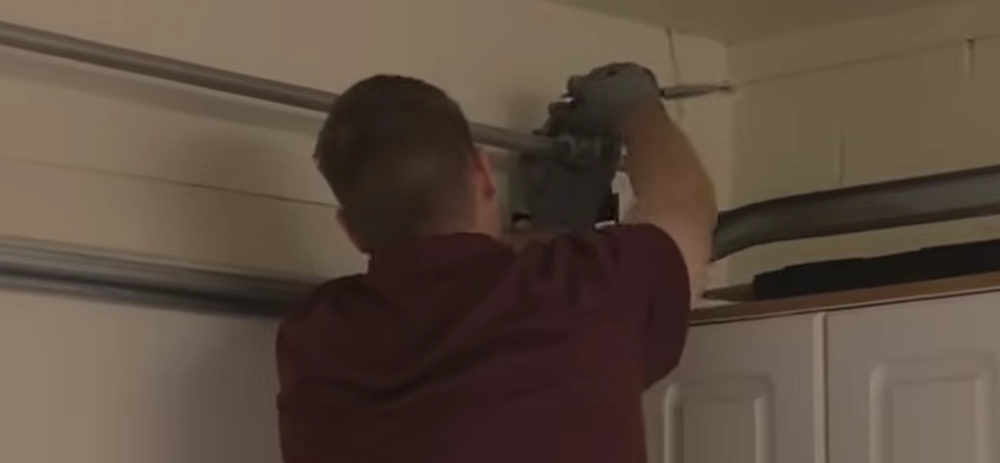
A garage door is the largest, heaviest moving object in most homes, involved in an estimated 20,000–30,000 injuries nationally each year, roughly 65% tied to spring failure. Maplewood Garage Door Repair treats safety as the foundation of every repair, not an afterthought. Call (651) 867-9272 for a safety inspection.
This page covers the safety risks specific to garage doors not to alarm you, but because most of these risks are genuinely preventable once you know what to watch for. We reference CPSC data and documented safety guidance throughout, not marketing language.
The ‘Look, Listen, Learn’ Safety Habit
Look check cables, springs, and rollers periodically for visible wear, fraying, or a coil gap
Listen a new grinding, popping, or straining sound during normal operation is worth investigating before it becomes a failure
Learn what your door’s normal operation looks and sounds like, so any change is immediately noticeable rather than something that gets talked away
Garage Door Spring Injuries — The Leading Risk
A residential torsion spring is wound under tension sufficient to help lift a 300–400 pound door, and it’s the single largest contributor to garage door injury statistics. The danger isn’t limited to the moment a technician repairs an already-weakened spring can fail during normal use, and a spring under tension that’s disturbed incorrectly can release with enough force to cause serious injury. This is the primary reason spring replacement is the one repair on this site we consistently recommend against attempting as a DIY project, regardless of online tutorials suggesting otherwise.
Pinch-Point Hazards
Sectional garage doors have hinge points between panels that can pinch fingers during operation, a particular risk for young children who may be curious about a moving door. Modern doors are increasingly manufactured with pinch-resistant hinge designs, but older doors, common in Maplewood’s housing stock with a median construction year of 1980, often lack this feature. Keeping hands clear of panel seams during operation, and teaching children to stay clear entirely, meaningfully reduces this risk on an older door.
Open everyday from
24/7
Call to ask any question
Quality Services
We’re Providing Quality
Garage Door Repair Services
Clients
Projects
Experts
Carbon Monoxide Risk in Attached Garages
If your garage is attached to living space, true for a majority of Maplewood’s single-family homes, running a vehicle inside with the door closed, or even partially open, allows carbon monoxide to build up and potentially migrate into the home through shared walls, doors, or ductwork. CO is colorless and odorless, which is why a working carbon monoxide detector near any attached-garage entry point is a meaningful safety layer, not just a nice-to-have. Never leave a vehicle running in the garage while troubleshooting a stuck door, no matter how briefly.
Auto-Reverse Sensors and Child Safety
Federal safety standards since 1993 have required residential garage door openers to include both a photo-eye sensor system and a mechanical force-sensing auto-reverse, meaning a door that contacts an obstruction (or a person or pet) during closing is required to stop and reverse rather than continue applying force. If your opener predates this standard or the sensors have been disabled or miswired, this is a genuine safety gap worth addressing regardless of whether anything else about the opener seems to be working fine.
Unsecured Garage Doors and Home Security Risk
Beyond mechanical injury risk, a garage door that won’t fully close, whether from a mechanical fault or simply being left open, is a direct entry point to your home. Unsecured garage doors are linked to roughly half of garage-related residential burglaries, making a door that won’t close a same-day priority repair for security reasons as much as convenience.
Pet Safety Around Garage Doors
The same auto-reverse sensors that protect children apply to pets, but pets can be harder for a sensor to detect reliably if they’re low to the ground and move quickly through the sensor beam’s path. Supervising pets during door operation, rather than relying solely on the safety sensor, is a reasonable added precaution, particularly for smaller breeds.
Storm and Wind Safety Considerations
A garage door represents a significant surface area exposed to wind, and a door with worn or damaged tracks and rollers is more vulnerable to wind-related stress during severe weather than a well-maintained one. If your area is prone to high wind events, a track and roller inspection (see our dedicated page) is a reasonable addition to seasonal maintenance, beyond its usual cold-weather focus.
What a Professional Safety Inspection Actually Checks
When a Safety Issue Should Take Priority Over a Cost Decision
Spring, cable, and sensor-related safety issues are not areas where deferring repair to save money is a reasonable trade-off, given the injury data involved. If cost is a genuine concern, discuss it directly when you call, but a known safety issue (a visible spring coil gap, a disabled sensor, a frayed cable) is worth addressing on the same visit it’s discovered rather than scheduled for a more convenient time.
Get a Written Quote Before Any Work Begins
Complex opener behavior: humming, reversing, one-direction failures? Call (651) 867-9272 for a full system diagnostic instead of a parts-swap guess.
Address: 1081 Business Center, 1081 E Highway 36, Maplewood, MN 55109
Phone: +1 (651) 867-9272